

Cryptocurrency mining is one of the oldest ways to earn crypto. When Bitcoin launched in 2009, anyone with a simple computer could mine coins. Today, mining has become more competitive — but it’s still profitable if done correctly.
In this complete CoinGeekster guide, you’ll learn how crypto mining works, the types of mining, equipment needed, profitability factors, and whether it’s still worth it in 2026.
What is Crypto Mining?
Crypto mining is the process of verifying blockchain transactions and adding them to the network.
Miners:
- Validate transactions
- Secure the network
- Receive rewards in cryptocurrency
Mining is essential for Proof-of-Work (PoW) blockchains.
How Does Crypto Mining Work?
When users send crypto, transactions are grouped into blocks.
Miners compete to solve complex mathematical puzzles. The first miner to solve it:
✔ Adds the block to the blockchain
✔ Receives block rewards
✔ Earns transaction fees
This system ensures network security and decentralization.
What is Proof of Work (PoW)?
Proof of Work is a consensus mechanism used by blockchains like Bitcoin.
It requires computational power to solve cryptographic puzzles.
The more computing power you have, the higher your chance of earning rewards.
Types of Crypto Mining
1️⃣ CPU Mining
- Uses computer processor
- Low profitability today
- Mostly outdated
2️⃣ GPU Mining
- Uses graphics cards
- Popular for altcoins
- Moderate profitability
Many miners previously mined Ethereum using GPUs before it switched to Proof of Stake.
3️⃣ ASIC Mining
- Specialized mining hardware
- Very powerful
- Expensive but efficient
Common for Bitcoin mining.
4️⃣ Cloud Mining
- Rent mining power online
- No hardware required
- Higher scam risk
Always research companies carefully.
What Equipment Do You Need?
For serious mining:
✔ ASIC miner (for Bitcoin)
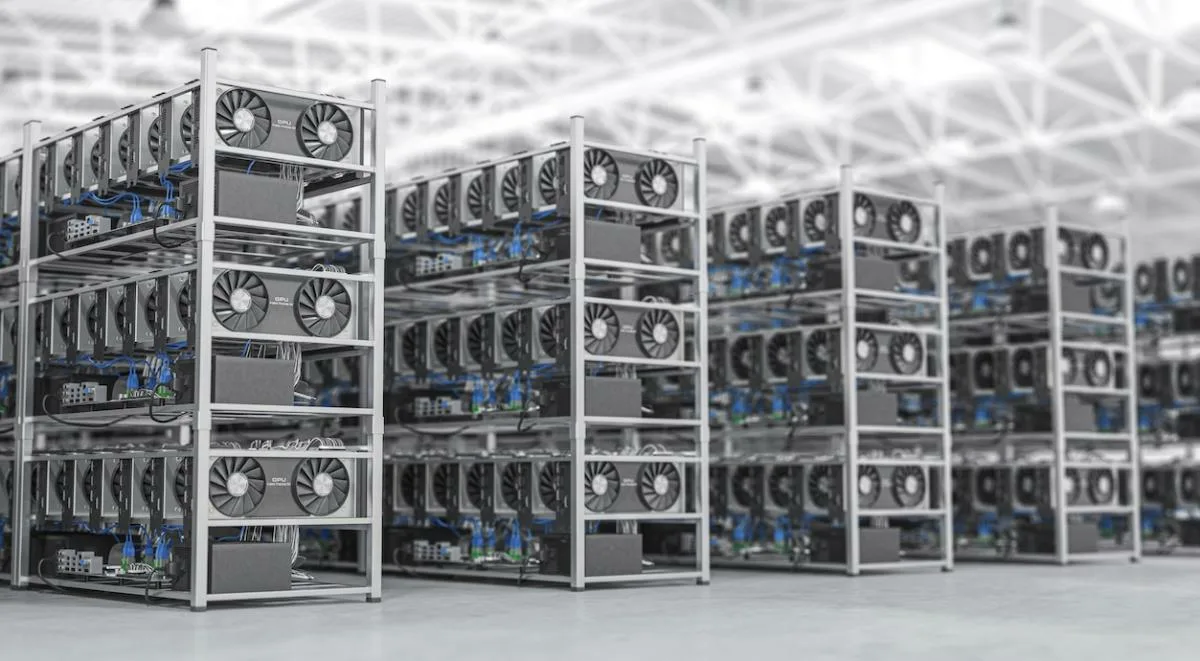
✔ GPU rigs (for altcoins)
✔ Stable electricity supply
✔ Cooling system
✔ Mining software
Popular ASIC manufacturers include:
- Bitmain
- MicroBT
Is Crypto Mining Profitable in 2026?
Mining profitability depends on:
- Electricity costs
- Hardware efficiency
- Crypto price
- Mining difficulty
- Block rewards
If electricity is cheap in your country, mining can still be profitable.
What is Mining Difficulty?
Mining difficulty adjusts automatically.
If more miners join:
➡ Difficulty increases
➡ Rewards become harder to earn
If miners leave:
➡ Difficulty decreases
This keeps block time stable.
Mining Pools vs Solo Mining
🔹 Solo Mining
You mine independently.
Higher reward if successful.
Very low probability unless you have massive power.
🔹 Mining Pools
Group of miners combine power.
Rewards shared proportionally.
Popular mining pools include:
- F2Pool
- Antpool
Most beginners use mining pools.
Environmental Concerns
Bitcoin mining consumes significant electricity.
However:
- Many farms now use renewable energy.
- Mining incentivizes green energy development.
- Energy debate remains controversial.
Risks of Crypto Mining
⚠ High initial investment
⚠ Hardware depreciation
⚠ Market volatility
⚠ Regulatory changes
⚠ Increasing competition
Alternative to Mining: Staking
Some blockchains now use Proof of Stake instead of mining.
For example, Ethereum transitioned to staking.
Instead of hardware, you lock coins and earn rewards.
Staking is:
✔ Energy-efficient
✔ Beginner-friendly
✔ Lower technical barrier
Should Beginners Start Mining?
Mining is suitable if:
✔ You have access to cheap electricity
✔ You understand hardware
✔ You plan long-term
✔ You can afford initial costs
If not, consider:
- Buying crypto directly
- Staking
- Trading
- DeFi earning
Final Thoughts
Crypto mining remains a core part of blockchain security, especially for Bitcoin. While it’s no longer easy or cheap, it can still be profitable with proper planning and low electricity costs.
Before starting:
- Calculate expenses
- Research hardware
- Check local regulations
- Understand risks
Mining is a business — not a shortcut to quick money.
